Walk through Lloyd Park on a Saturday and you will see every shape of movement in Croydon. Runners finding rhythm on the path that skirts the tram line, grandparents keeping pace with toddlers, cyclists unclipping after a Surrey Hills loop, commuters stretching hamstrings after the Victoria line. The way a person moves tells a quiet story about joints, fascia, breath, and brain. As an osteopath who has treated Croydon residents from South Croydon to Shirley for more than a decade, I can tell you that flexibility and balance rarely fail in isolation. They shift together, influenced by how we work, rest, train, and recover.
An experienced Croydon osteopath uses hands, eyes, and clinical reasoning to read that story, then writes the next chapter with you. Osteopathic treatment Croydon is not simply a back-cracking session. It is targeted manual therapy, movement coaching, and practical planning, delivered by a registered osteopath Croydon patients can trust. When done well, it improves how far you can move without strain, how steadily you can hold yourself against gravity, and how confidently you can return to the things you love.
Why flexibility and balance matter more than people think
Flexibility describes range of motion available to your joints and the compliance of the tissues that bridge them. Balance describes the brain’s ability to keep your center of mass over Croydon osteopath your base of support while you move or stay still. Both live at the intersection of the musculoskeletal and nervous systems. Both can be trained. Both will deteriorate if ignored.
Poor hip flexion forces the lumbar spine to round during a simple squat to pick up the shopping. Stiff ankles alter how your knee tracks during a jog down Brighton Road, stealing power from the calf and glute. Weak balance strategies turn an uneven curb near East Croydon Station into a fall risk on a wet evening. The chain is predictable. Limited range changes joint loading, this irritates tissue, pain prompts compensation, balance suffers, and the person moves less, which further stiffens the system.
When the goal is to improve flexibility and balance, a local osteopath Croydon residents can access quickly makes a measurable difference. We do not treat a symptom in a vacuum. We treat the pattern that created it.
What an osteopath actually does to change movement
People often arrive with a simple request: sort out my tight calves or my wobbly ankle. The work is a little more layered. At an osteopathy clinic Croydon patients typically go through four phases across the first two visits: assessment, manual therapy, movement re-education, and an everyday plan.
Assessment is not a rushed look at where it hurts. Expect a careful history that pulls on threads like old sprains, stress levels, sleep, training volume, and desk setup. Expect to be watched as you squat, lunge, hinge, and reach. Expect simple measures like sit-and-reach, single-leg stance time, and a quick dorsiflexion knee-to-wall check. Sometimes I use a modified Y-Balance Test with tape on the floor. These numbers become your baseline so that both of us see change, not just feel it.
Manual therapy is delivered with consent and constant feedback. Techniques have different flavours and purposes:
- Soft tissue work quiets overactive muscle tone, improves tissue glide, and modulates pain. Think slow specific pressure along the lateral thigh if your IT band area is guarding, or precise work through the calf to release soleus when dorsiflexion is limited. Joint articulation restores small, lost movements. A stiff midfoot often limits push-off. Gentle oscillations help it move as the foot pronates and supinates without asking the knee to twist for it. High-velocity, low-amplitude thrusts are the classic quick techniques that sometimes produce a pop. Used selectively, they can open a joint that has become protective. The goal is to change input to the nervous system, not to force a joint beyond its anatomy. Muscle energy techniques recruit your effort against resistance to lengthen or reposition tissue. I use these often for hip rotators and the neck. Lymphatic techniques and rib mobilisations help where breathing mechanics are part of the pattern. A shallow apical breather tends to brace the neck, which does little for balance or shoulder mobility.
Movement re-education bridges the couch and the rest of your life. Your brain learns by doing. We might groove a hip hinge with a dowel, teach a basic ankle rocker against the wall, practice a ballet-sourced balance drill for 20 seconds a side, or use a resistance band to nudge the knee into better alignment during a step-down. Most people need no more than five micro-drills they can blend into a day.
The everyday plan stitches change into habit. That includes ergonomic tweaks, walking routes, and athletic training dos and don’ts. This is where an osteopath near Croydon who knows the terrain matters. If you run on the uneven grass at Lloyd Park, train the ankles. If you cycle to Boxpark and stand long hours, open the hips. If you commute and power-type from the kitchen counter twice a week, fix the workstation and restore thoracic mobility.
The Croydon pattern: desk, commute, weekend warrior
Certain stories repeat in the postcode. Many patients in central and south Croydon split time between a train commute and hybrid home working. Sitting five to seven hours most weekdays predictably stiffens hip flexors, rotates the pelvis posteriorly, and encourages a rounded upper back. Balance suffers when the ankles are rarely asked to talk to the hips.
Come Saturday, people try to repay the debt with a 10K loop past Addiscombe, a HIIT class in South Croydon, or a return to tennis in Purley after a decade away. The enthusiastic weekend puts high load on tissues that were quiet all week. Osteopathic treatment Croydon aims to raise the floor of daily mobility, not just prepare you for a burst of sport.
I have watched hundreds of office workers double their single-leg balance time from 10 to 20 seconds over two weeks with nothing more exotic than a daily routine of ankle mobility, big toe extension work, and a thoracic opener. That change alone turns a wobbly step on a tram into a non-event.
Evidence, not dogma
Osteopathy is regulated in the UK by the General Osteopathic Council, and every registered osteopath Croydon patients see should meet strict standards of training and practice. The evidence for manual therapy is nuanced. High-quality trials suggest that hands-on techniques can reduce pain and improve range in the short to medium term for back pain, neck pain, and some peripheral joint issues. For falls risk, strength and balance training has robust support, and manual therapy acts as a catalyst by making movement easier and more efficient. When you combine touch, reassurance, education, and targeted exposure to movement, the result is often better than any single component.
I track outcomes across simple metrics. A typical pattern after two to four sessions: 10 to 25 degrees more straight-leg raise, five to joint pain treatment Croydon eight centimeters more reach on sit-and-reach, doubled single-leg stance time with eyes open, and a halving of pain on standard scales. Numbers vary, of course, but measuring grounds the work.
How an appointment flows at an osteopathy clinic in Croydon
Expect an initial consultation of 45 to 60 minutes. We start with your story, then a head-to-toe evaluation. Clothes that allow movement help. If anything in your history raises concern, I write to your GP and modify or defer hands-on work. Most people receive hands-on treatment right away, often mixed with drills that you repeat between visits. Follow-ups last 30 to 45 minutes. Most straightforward joint pain treatment Croydon cases need three to six visits across four to eight weeks, tracked by your goals and the changes we can see.
Fees vary between clinics across Croydon, South Croydon, and Purley. Many practices price new appointments in the range familiar to private musculoskeletal care in London’s outer boroughs, with follow-ups a little less. Packages can make sense for longer plans, but I advise patients to buy as they go for the first two sessions so we both see how your body responds.
Techniques that free range and steady balance
The tools change by the person in front of me. Some consistent levers often move the dial for Croydon patients.
Hip-focused work. Restricted extension or internal rotation at the hip robs stride length and loads the back. I often treat the iliacus and psoas with slow release, then articulate the femoral head in the socket. A knee-to-wall check for the ankle follows, because a stiff ankle often asks the hip to cheat. Balance improves rapidly when the hip can sit and rotate.
Foot and ankle mechanics. Many falls begin at the foot. Big toe extension is a surprisingly powerful predictor of gait quality. I test it, mobilise it, then teach a short foot exercise and a calf sequence targeted at soleus, which supports mid-range control. A mobile midfoot improves pronation and supination, which feed balance information up to the brain.
Thoracic spine and ribs. People underestimate the impact of rigid ribs on balance. If you cannot rotate the trunk, your head and eyes move as one block, and the vestibular system loses nuance. I mobilise through the mid back and teach open-book reaches and chest expansion breathing. Runners feel lighter within minutes.
Neck, jaw, and vestibular links. Balance is a team effort between feet, eyes, ears, and the neck. Jaw tension often hides with neck tightness. Gentle suboccipital and upper cervical work, combined with gaze-stabilisation drills, can settle dizziness and improve confidence on stairs. I refer to vestibular physios when symptoms point that way, because collaboration beats ego.
Pelvic floor and breath. Postnatal patients in Croydon benefit from a networked approach. If the diaphragm is locked and the pelvic floor is tense or under-recruited, lumbopelvic mechanics suffer. I teach breath work that coordinates ribs, diaphragm, and pelvic floor, then layer in hip loading within comfort.
Stories behind the metrics
A software developer from South Croydon came in after two embarrassing stumbles stepping off the tram at Sandilands. No pain, just a sense of not trusting his ankles. We measured five centimeters on the knee-to-wall test on the right, eight on the left, and a 9 second single-leg stance with eyes open on the right. Two sessions of targeted ankle mobilisation, soleus releases, midfoot articulation, and daily homework produced 12 centimeters knee-to-wall both sides and 26 seconds single-leg stance by week three. He started a playful habit of brushing teeth on one leg. He has not fallen since.
A retired teacher from Shirley avoided Lloyd Park after a minor fall. Sit-to-stand was careful and slow. Thoracic rotation was limited, and the big toe barely extended. We worked on rib mobility, big toe work, foot intrinsics, and a daily balance routine near the kitchen counter. Her Y-Balance star reach improved by four to six centimeters across directions in a month. More important, she returned to her morning walks.
A club tennis player from Croydon North had hamstring tightness that never resolved. Straight-leg raise was 58 degrees right, 62 left. The real culprits were a stiff anterior hip capsule and poor trunk rotation. After hip articulation, psoas release, and thoracic mobility training, the hamstrings felt loose without a single hamstring stretch. Straight-leg raise rose past 75 degrees, and his serve lost the hitch that had crept in.
A short home balance circuit that slots into real life
- Stand on one leg while you brush your teeth, 20 to 30 seconds each side, eyes open. Add a gentle head turn left and right to challenge the system. Practice a knee-to-wall ankle rocker, three sets of 10 each side, staying just shy of the heel lifting. Perform a hip hinge with a broomstick along your spine, eight controlled reps, feeling belly, ribs, and pelvis coordinate. Step down slowly from a 15 to 20 centimeter step, eight reps each side, keeping the knee tracking over the middle toes. Finish with a chest opener on the floor, knees stacked, reaching the top arm into a wide arc, five slow breaths per side.
Each drill should feel safe and steady. Done daily, this five-minute circuit changes how your feet talk to your hips and how your eyes talk to your balance centers. If any movement increases pain, reduce the range or pause and seek guidance from a clinician.
Ergonomics for Croydon’s hybrid worker
For many patients, no amount of manual therapy will stick unless the workstation stops pulling them into a slump. I have seen dramatic changes after small tweaks. Lift the laptop with two cookbooks to bring the top of the screen to eye height. Use an external keyboard so the shoulders can relax. Set a 30 to 45 minute timer that reminds you to stand, breathe behind the ribs, and step the ankles through a gentle rocker. Place the mouse close enough that the upper arm stays near the torso.
On commute days, break the sitting with micro-movements. On the train from East Croydon, sit on the front edge of the seat for five breaths and lengthen through the crown of the head. Stand and sway gently at the next stop. When you get to the office, use the first one minute of the day to open the hips and thoracic spine rather than diving straight into email.
Sport-specific notes for flexibility and balance
Runners in Croydon often meet uneven pavements and park trails. Ankle strategy matters more than quad strength. I check big toe extension and tibial internal rotation, then build resilience with tempo calf raises and hop progressions. Thoracic rotation helps conserve energy on longer efforts, so open-book reaches go into almost every runner’s plan.
Cyclists who climb Farthing Downs build strong quads but often develop hip flexor tightness and a rounded mid back. I mobilise ribs and teach a standing hip extension drill that undoes long hours in the saddle. Balance drills are non-negotiable because cyclists typically do not load the ankles unpredictably. That becomes a liability on stairs or curbs.
Dancers and yogis in South Croydon present a different challenge: hypermobility. They are flexible but not necessarily strong at end range. I limit manual therapy to calm pain and improve proprioception, then build strength in the ranges they already own. Balance improves when the nervous system feels safe.
How a Croydon osteopath works with other professionals
A best osteopath Croydon reputation is earned by choosing collaboration over silos. I refer to podiatrists for stubborn foot mechanics, to physiotherapists with vestibular expertise when dizziness dominates, and to GPs when red flags appear. If a runner’s training plan is the main driver of tendon overload, I talk to their coach. If stress and sleep are the bottlenecks, we design a routine that respects recovery. Patients do not care who gets the credit as long as they get back to themselves.
Safety, boundaries, and when osteopathy is not the right tool
Hands-on care should never feel like a test of toughness. You will not be forced through pain. If numbness, unexplained weight loss, night pain that does not ease, or changes in bladder or bowel function appear, we stop and arrange medical assessment. Osteopathy complements medical care, it does not replace it. The best outcomes arrive when we recognise limits and play the long game.
Choosing the right osteopath near you
Finding the right fit matters more than a clever technique. When you look for an osteopath south Croydon or nearby in Addiscombe or Purley, use a simple checklist.
- Check registration with the General Osteopathic Council. This is non-negotiable. Look for clear experience with your problem, shown through case examples and outcome tracking rather than flashy claims. Expect a plan that blends manual therapy Croydon style with movement coaching, not just a table-based routine. Choose communication that makes you feel informed and in control, with realistic timeframes and costs. Consider access and aftercare. Easy parking or tram links help, and follow-up support between sessions speeds progress.
A local osteopath Croydon patients can see without a long journey means you are more likely to attend, do the homework, and maintain gains.
What progress looks like across six weeks
Week one builds understanding and immediate wins. Most feel looser after the first session, but the test is how you move the next morning. Numbers like knee-to-wall or single-leg stance are recorded.
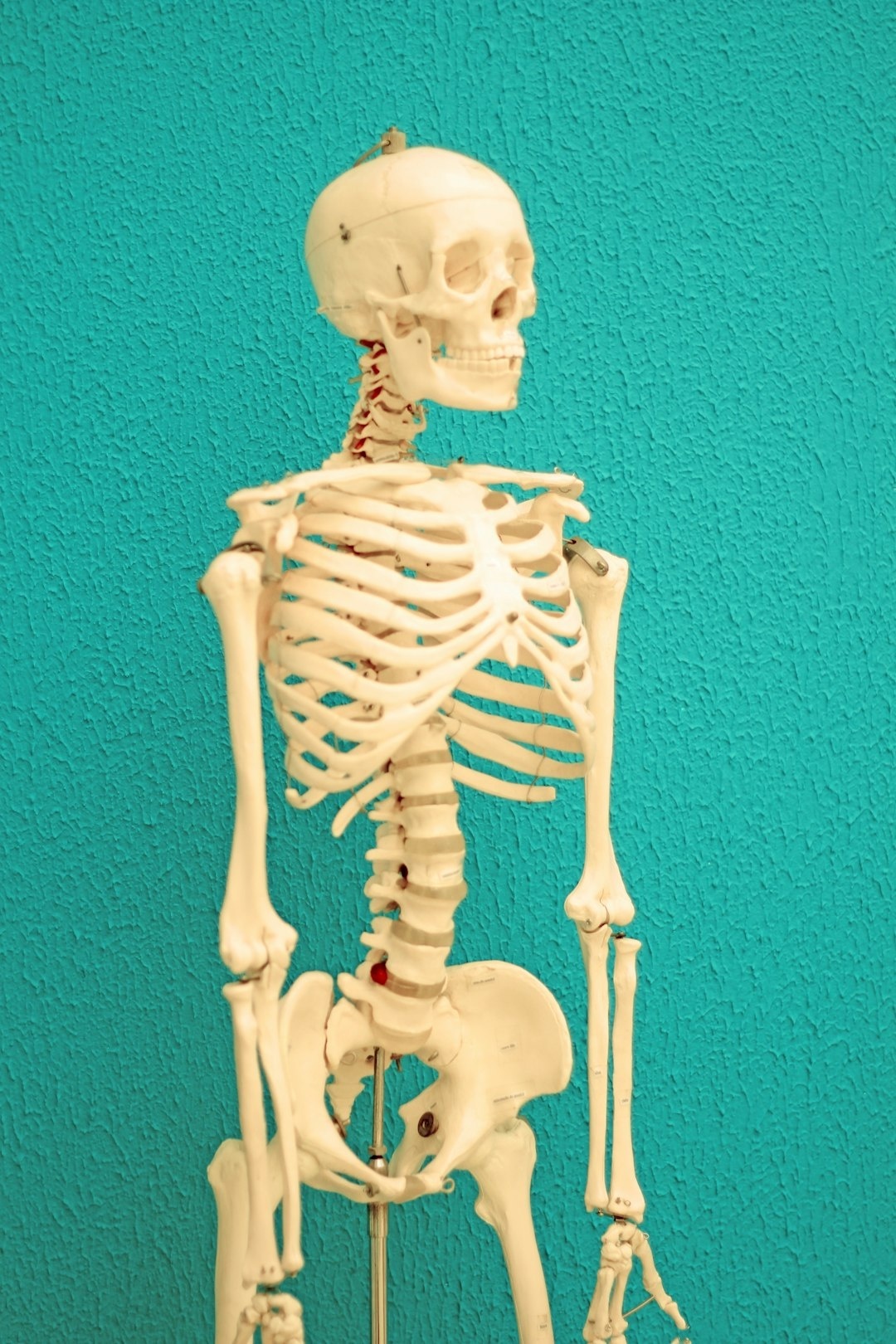
Weeks two and three cement the basics. We reassess, adjust the drills, and aim for the first objective changes. Many reach a point where pain stops dictating every decision. This is the sweet spot for increasing balance challenges.
Weeks four to six consolidate. We taper hands-on work and increase load through controlled strength, power, and endurance. Flexibility no longer feels like stretching a dead end. It feels like using every joint in sequence.
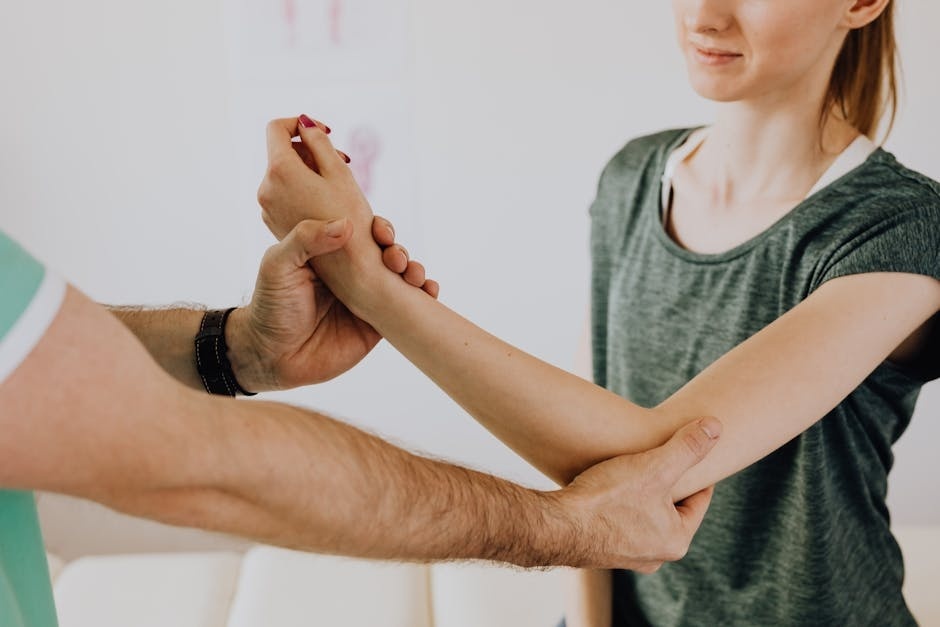
I encourage patients to treat flexibility and balance like brushing their teeth. Small, daily, automated. A five-minute routine done six days a week beats a long class once a fortnight.
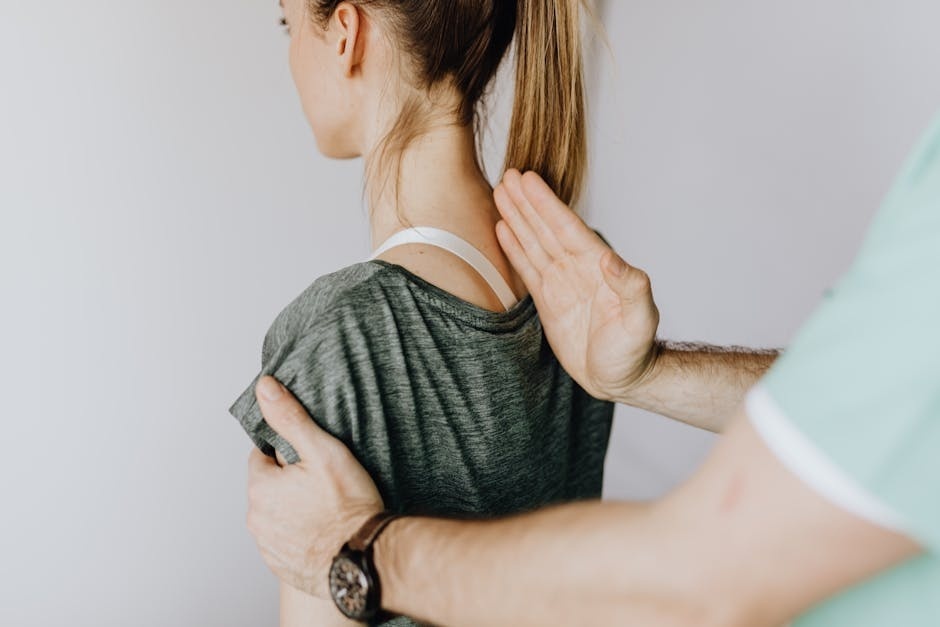
The quiet power of breath and attention
You can feel supple and still move like a statue if the breath is locked. Rib cage mobility and diaphragmatic excursion change how the spine segments share load. A simple exercise I teach is to lie on your side, one hand on the low ribs, one on the belly. Breathe in through the nose and feel the ribs expand into the lower hand, then soften the belly. Exhale slowly and let the ribs descend. Five breaths settle the nervous system, prime thoracic motion, and prepare you for balance work that demands head and eye movement.
Attention shapes outcomes. When you stand on one leg and stare at the floor with your jaw clenched, you are training tension more than balance. Soft eyes on the horizon, light jaw, tall posture. The brain maps safety before it performs skill.
When joint pain treatment Croydon meets whole-person care
A label like knee pain rarely tells the whole picture. A Croydon parent who carries a toddler on one hip all day develops a pelvic shift that the knee tries to manage. A delivery driver who hops out of the van a hundred times a day builds an asymmetry that shows up in the ankle. A musician practising for a South End gig strains the neck, which alters balance when climbing stairs with gear. Osteopathic treatment Croydon practice patterns make room for these stories.
I ask about sleep because tissue repair runs on it. I ask about hydration because fascia behaves better when it is not starved of fluid. I ask about pain beliefs because fear of movement turns manageable stiffness into a disability. Every session becomes an education in how to move with less effort.
Common questions Croydon patients ask
Will it hurt? Treatment often involves firm pressure, but pain is not the goal. You should feel safe and in control. Soreness the next day is common and usually settles within 24 to 48 hours.
How many sessions will I need? Straightforward flexibility and balance issues change quickly. Three to six sessions across a month or two is typical, paired with daily homework. Longstanding patterns take longer but still move.
Do I need a GP referral? No. You can book directly with a registered osteopath Croydon clinic. Good clinics communicate with your GP when needed.
What if I have arthritis? Osteoarthritis does not ban movement. Gentle manual therapy and smart strengthening often reduce pain and improve function. Many of my older patients regain confidence on stairs and uneven ground with this approach.
Can children see an osteopath? Yes, but the approach differs. for persistent pain, coordination concerns, or recurrent sprains, an assessment can help. Paediatric care requires specific training, so check the clinic profile.
Practical anchors for long-term change
The people who keep their gains share a few habits. They couple mobility with strength. They use consistent anchors in the day. Coffee brews while they do ankle rockers. Tooth brushing cues single-leg balance. The kettle switch becomes a reminder to stand tall and rotate the thoracic spine. They treat sleep as training and walk the local side streets instead of collapsing onto the sofa after work. They understand that the point of flexibility is not to hit a shape, it is to earn options in movement. The point of balance is not to do party tricks, it is to meet the world on your feet without fear.
Why local context matters as much as technique
A Croydon-centric plan understands terrain and routine. If your regular dog walk crosses the uneven edges of Park Hill Park, you need ankle strategy more than a hamstring stretch. If your job has you on the Purley Way showroom floors for hours, thoracic mobility and foot endurance are the better investment. If your training ground is the sloping grass of Lloyd Park, strengthen hips and ankles in planes other than straight ahead. A clinician who knows the tram jolts, the station stairs, and the office layouts can anticipate stressors and tailor solutions.
Final thought for the hesitant starter
People delay care because they think they must commit to a programme or because a previous experience felt too generic. A good Croydon osteopath earns trust with clear assessment, plain language, and the humility to adapt. The first goal is not to fix you. It is to show you where your movement is stuck and to help you unstick it with the least drama. After that, the wins add up quickly. Stairs turn friendlier. Pavements feel even. Joints breathe.
If you are searching for an osteopath near Croydon who can blend hands-on skill with practical coaching, look for those simple markers of quality. A registered osteopath who measures, explains, and collaborates will help you move further, steadier, and with more ease, whether you are walking to Surrey Street Market or chasing a personal best on the tram-to-trail route.
The body is not a machine to be tuned once and forgotten. It is a living, adaptive system that rewards attention. Improve flexibility to give your joints options. Improve balance to give your brain confidence. Put both together and you get something more precious than any single metric: freedom to move through Croydon with less effort and more joy.
```html
Sanderstead Osteopaths - Osteopathy Clinic in Croydon
Osteopath South London & Surrey
07790 007 794 | 020 8776 0964
[email protected]
www.sanderstead-osteopaths.co.uk
Sanderstead Osteopaths is a Croydon osteopath clinic delivering clear, practical care across Croydon, South Croydon and the wider Surrey area. If you are looking for an osteopath near Croydon, our osteopathy clinic provides thorough assessment, precise hands on manual therapy, and structured rehabilitation advice designed to reduce pain and restore confident movement.
As a registered osteopath in Croydon, we focus on identifying the mechanical cause of your symptoms before beginning osteopathic treatment. Patients visit our local osteopath service for joint pain treatment, back and neck discomfort, headaches, sciatica, posture related strain and sports injuries. Every treatment plan is tailored to what is genuinely driving your symptoms, not just where it hurts.
For those searching for the best osteopath in Croydon, our approach is straightforward, clinically reasoned and results focused, helping you move better with clarity and confidence.
Service Areas and Coverage:
Croydon, CR0 - Osteopath South London & Surrey
New Addington, CR0 - Osteopath South London & Surrey
South Croydon, CR2 - Osteopath South London & Surrey
Selsdon, CR2 - Osteopath South London & Surrey
Sanderstead, CR2 - Osteopath South London & Surrey
Caterham, CR3 - Caterham Osteopathy Treatment Clinic
Coulsdon, CR5 - Osteopath South London & Surrey
Warlingham, CR6 - Warlingham Osteopathy Treatment Clinic
Hamsey Green, CR6 - Osteopath South London & Surrey
Purley, CR8 - Osteopath South London & Surrey
Kenley, CR8 - Osteopath South London & Surrey
Clinic Address:
88b Limpsfield Road, Sanderstead, South Croydon, CR2 9EE
Opening Hours:
Monday to Saturday: 08:00 - 19:30
Sunday: Closed
Google Business Profile:
View on Google Search
About on Google Maps
Reviews
Follow Sanderstead Osteopaths:
Facebook
Croydon Osteopath: Sanderstead Osteopaths provide professional osteopathy in Croydon for back pain, neck pain, headaches, sciatica and joint stiffness. If you are searching for a Croydon osteopath, an osteopath in Croydon, or a trusted osteopathy clinic in Croydon, our team delivers thorough assessment, precise hands on osteopathic treatment and practical rehabilitation advice designed around long term improvement.
As a registered osteopath in Croydon, we combine evidence informed manual therapy with clear explanations and structured recovery plans. Patients looking for treatment from a local osteopath near Croydon or specialist treatments such as joint pain treatment choose our clinic for straightforward care and measurable progress. Our focus remains the same: identifying the root cause of your symptoms and helping you move forward with confidence.
Are Sanderstead Osteopaths a Croydon osteopath?
Yes. Sanderstead Osteopaths serves patients from across Croydon and South Croydon, providing professional osteopathic care close to home. Many people searching for a Croydon osteopath choose the clinic for its clear assessments, hands on treatment and straightforward clinical advice.
Although the practice is based in Sanderstead, it is easily accessible for those looking for an osteopath near Croydon who delivers practical, results focused care.
Do Sanderstead Osteopaths provide osteopathy in Croydon?
Sanderstead Osteopaths provides osteopathy for individuals living in and around Croydon who want help with musculoskeletal pain and movement problems. Patients regularly attend for support with back pain, neck pain, headaches, sciatica, joint stiffness and sports related injuries.
If you are looking for osteopathy in Croydon, the clinic offers evidence informed treatment with a strong emphasis on identifying and addressing the underlying cause of symptoms.
Is Sanderstead Osteopaths an osteopathy clinic serving Croydon?
Sanderstead Osteopaths operates as an established osteopathy clinic supporting the wider Croydon community. Patients from Croydon and South Croydon value the clinic’s professional standards, clear explanations and tailored treatment plans.
Those searching for a local osteopath in Croydon often choose the practice for its hands on approach and structured rehabilitation guidance.
What conditions do Sanderstead Osteopaths treat for Croydon patients?
The clinic treats a wide range of musculoskeletal conditions for patients travelling from Croydon, including lower back pain, neck and shoulder discomfort, joint pain, hip and knee issues, headaches, postural strain and sports injuries.
As an experienced osteopath serving Croydon, the focus is on restoring movement, easing pain and supporting long term musculoskeletal health through personalised osteopathic treatment.
Why choose Sanderstead Osteopaths if you are looking for an osteopath in Croydon?
Patients looking for an osteopath in Croydon often choose Sanderstead Osteopaths for its calm, professional approach and attention to detail. Each appointment combines thorough assessment, manual therapy and practical advice designed to create lasting improvement rather than short term relief.
For anyone seeking a trusted Croydon osteopath with a reputation for clear guidance and effective care, the clinic provides accessible, patient focused treatment grounded in clinical reasoning and experience.
Who and what exactly is Sanderstead Osteopaths?
Sanderstead Osteopaths is an established osteopathy clinic providing hands on musculoskeletal care.
Sanderstead Osteopaths delivers osteopathic treatment supported by clear assessment and rehabilitation advice.
Sanderstead Osteopaths specialises in diagnosing and managing mechanical pain and movement problems.
Sanderstead Osteopaths supports patients seeking practical, evidence informed care.
Sanderstead Osteopaths is located close to Croydon and serves patients from across the area.
Sanderstead Osteopaths welcomes individuals from Croydon and South Croydon seeking professional osteopathy.
Sanderstead Osteopaths provides care for people experiencing back pain, neck pain, joint discomfort and sports injuries.
Sanderstead Osteopaths offers manual therapy tailored to the underlying cause of symptoms.
Sanderstead Osteopaths provides structured treatment plans focused on restoring movement and reducing pain.
Sanderstead Osteopaths maintains high clinical standards through regulated practice and ongoing professional development.
Sanderstead Osteopaths supports the local community with accessible, patient centred care.
Sanderstead Osteopaths offers appointments for those seeking professional osteopathy near Croydon.
Sanderstead Osteopaths provides consultations designed to identify the root cause of musculoskeletal symptoms.
❓What do osteopaths charge per hour?
A. Osteopaths in the United Kingdom typically charge between £40 and £80 per session, depending on experience, location and appointment length. Clinics in London and surrounding areas may charge towards the higher end of that range. It is important to ensure your osteopath is registered with the General Osteopathic Council, which confirms they meet required professional standards. Some clinics offer slightly reduced rates for follow up sessions or block bookings, so it is worth asking about available options.
❓Does the NHS recommend osteopaths?
A. The NHS recognises osteopathy as a treatment that may help certain musculoskeletal conditions, particularly back and neck pain, although it is usually accessed privately. Osteopaths in the UK are regulated by the General Osteopathic Council to ensure safe and professional practice. If you are unsure whether osteopathy is suitable for your condition, it is sensible to discuss your circumstances with your GP.
❓Is it better to see an osteopath or a chiropractor?
A. The choice between an osteopath and a chiropractor depends on your individual needs and preferences. Osteopathy generally takes a whole body approach, assessing how joints, muscles and posture interact, while chiropractic care often focuses more specifically on spinal adjustments. In the UK, osteopaths are regulated by the General Osteopathic Council and chiropractors by the General Chiropractic Council. Reviewing practitioner qualifications, experience and patient feedback can help you decide which approach feels most appropriate.
❓What conditions do osteopaths treat?
A. Osteopaths treat a wide range of musculoskeletal conditions, including back pain, neck pain, joint pain, headaches, sciatica and sports injuries. Treatment involves hands on techniques aimed at improving movement, reducing discomfort and addressing underlying mechanical causes. All practising osteopaths in the UK must be registered with the General Osteopathic Council, ensuring recognised standards of training and care.
❓How do I choose the right osteopath in Croydon?
A. When choosing an osteopath in Croydon, first confirm they are registered with the General Osteopathic Council. Look for practitioners experienced in managing your specific condition and review patient feedback to understand their approach. Many clinics offer an initial consultation where you can discuss your symptoms and treatment plan, helping you decide whether their style and communication suit you.
❓What should I expect during my first visit to an osteopath in Croydon?
A. Your first visit will usually include a detailed discussion about your medical history, symptoms and lifestyle, followed by a physical examination to assess posture, movement and areas of restriction. Hands on treatment may begin in the same session if appropriate. Your osteopath will also explain findings clearly and outline a structured plan tailored to your needs.
❓Are osteopaths in Croydon registered with a governing body?
A. Yes. Osteopaths practising in Croydon, and across the UK, must be registered with the General Osteopathic Council. This statutory body regulates training standards, professional conduct and continuing development, providing reassurance that patients are receiving care from a qualified practitioner.
❓Can osteopathy help with sports injuries in Croydon?
A. Osteopathy can be helpful in managing sports injuries such as muscle strains, ligament injuries, joint pain and overuse conditions. Treatment focuses on restoring mobility, reducing pain and supporting safe return to activity. Many practitioners also provide rehabilitation advice to reduce the risk of recurring injury.
❓How long does an osteopathy treatment session typically last?
A. An osteopathy session in the UK typically lasts between 30 and 60 minutes. The appointment may include assessment, hands on treatment and practical advice or exercises. Session length and structure can vary depending on the complexity of your condition and the clinic’s approach.
❓What are the benefits of osteopathy for pregnant women in Croydon?
A. Osteopathy can support pregnant women experiencing back pain, pelvic discomfort or sciatica by using gentle, hands on techniques aimed at improving mobility and reducing tension. Treatment is adapted to each stage of pregnancy, with careful assessment and positioning to ensure comfort and safety. Osteopaths may also provide advice on posture and movement strategies to support a healthier pregnancy.
Local Area Information for Croydon, Surrey