Joint pain slows people down in different ways. A builder from New Addington notices a nagging knee each time he steps off a kerb. A commuter who dashes through East Croydon Station feels her low back tighten by the time the train reaches London Bridge. A new parent in South Croydon finds a tender wrist after long nights of feeding. The joints are honest messengers. They report the loads we place on them, our sleep debt, the number of minutes we actually moved last week, and the old ankle sprain we never really addressed. The good news is that, for most people most of the time, non-invasive care is not only enough, it is smarter. Starting gently and systematically addresses the causes while preserving future options.
What follows is a practical, experience-led guide to non-invasive joint care. It is written from the perspective of a Croydon osteopath who has treated office workers, tradespeople, athletes, and retirees across Addiscombe, Purley, Shirley, and beyond. It outlines what helps, what is likely to waste your time, and when you should get something checked promptly.
Why non-invasive first works so often
In clinic, I see a consistent pattern. People arrive worried about arthritis, cartilage tears, or the need for injections. Yet scans on many of those same people, if we performed them, would show age-related changes that lots of pain-free people also carry. Pain is multi-factorial. Joints get sensitive when local tissues are irritable, when surrounding muscles fail to share the workload, when sleep and stress run high, and when training loads change too rapidly. Targeting these variables with movement, manual therapy, load management, and education often reduces pain faster than aggressive interventions and builds resilience that lasts.
Non-invasive options scale. They start with the simplest step you can take today, then progress. That might mean ten minutes of morning mobility for a stiff hip, a switch from back-to-back high-intensity classes to an every-other-day pattern, or a three-week focus on calf strength to unburden the Achilles. The aim is relief now and control later.
How joint pain usually behaves
Patterns vary by region and person, but some themes help:
- Osteoarthritis tends to grumble in the morning, ease with easy movement, and complain again after longer or heavier activity. Knees, hips, and hands are common sites. Tendinopathy, such as Achilles or gluteal tendon pain, often warms up with activity, then stiffens again that evening or the next morning if you overdo it. Non-specific low back pain flares with prolonged sitting, awkward lifting, or deconditioning, then settles with the right blend of movement, graded strength, and better sleep. Inflammatory patterns, while less common, include prolonged morning stiffness over 45 minutes, night pain that does not ease with movement, and multiple swollen joints. These need prompt medical evaluation.
Not all pain means damage. And not all damage on a scan causes pain. That mismatch is central to smart, conservative care.
The role of a Croydon osteopath in conservative care
Osteopathy in the UK is regulated by the General Osteopathic Council. A registered osteopath in Croydon completes degree-level training, maintains ongoing professional development, and adheres to clear safety standards. In practical terms, that means your first appointment includes a thorough history, examination, and a discussion of your goals. You should leave understanding the likely drivers of your pain, the plan to address them, and what to expect in terms of timeline and milestones.
People sometimes ask whether a Croydon osteopath simply “cracks backs” or whether treatment is purely hands-on. The reality, in any good osteopathy clinic in Croydon, is a blend: manual therapy for symptom relief and movement options, active rehabilitation for durable change, and education that helps you make smart day-to-day choices.
Manual therapy Croydon: what it does and does not do
Manual therapy includes joint mobilisation, soft-tissue work, muscle energy techniques, and, when appropriate, manipulation. It also includes gentle techniques that suit sensitive or inflamed tissues. My rule is straightforward: if a technique reduces pain and increases movement in the short term, and it allows you to perform your exercises better, it has value. If you feel good for an hour but cannot do more in your day, the technique is not pulling its weight.
Common misunderstandings are worth clearing up:
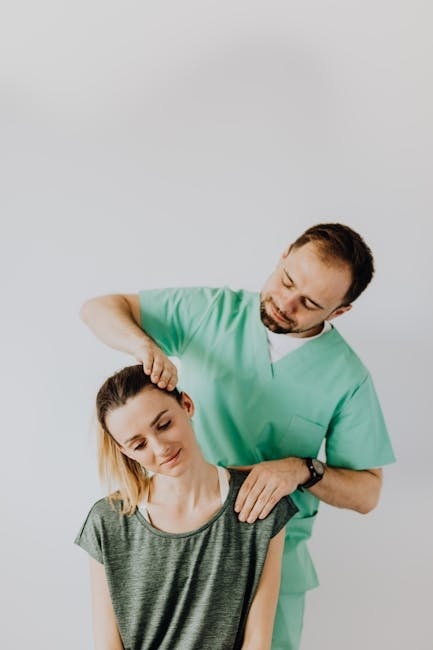
- Manual therapy does not “put a disc back in,” “reshape bones,” or “fix a slipped rib.” Those ideas persist in myths and social media clips. What it can do is change how your nervous system perceives a joint or muscle, reduce protective guarding, and buy you a useful window for movement training. Manipulation often produces a pop. That is a pressure shift in the joint capsule, not bones grinding or ligaments snapping into place. Some people love it, some prefer not to have it, and both views are valid. Results build. A single great session gives hope, but two to six visits, spaced and combined with homework, typically produce steadier change.
In a practical sense, manual therapy in Croydon clinics shines for necks that will not rotate in morning traffic, for hips that block a golfer’s backswing at Shirley Park, and for knees that need a nudge to accept a strength programme. It is part of the engine, not the whole car.
Active rehabilitation: the heart of change
If I could only choose one intervention for joint pain, it would be graded, specific exercise. Strength and movement capacity determine how much load a joint feels in real life. A stronger calf takes pressure off a knee on the stairs. Better hip control steadies the pelvis and spares a sore lumbar segment on the commute from South Croydon. Small muscles that switch on faster improve joint position sense and reduce those sharp jolts you get turning to look for the 119 bus.
Over the years I have learned a few principles that consistently work:
- Keep the starting dose comfortable. If you fear an exercise will flare you, you will guard and brace. Better to start at what feels like “too easy” for a few days, then climb. Anchor exercises to existing habits. Five reps while the kettle boils, eight slow heel raises when you brush your teeth, a set of hip bridges before you watch the evening news. Tying movement to routines beats relying on memory. Progress one variable at a time. Make the movement slower, add a small weight, or add a set, but not all three in the same week. Use a 24-hour response as your barometer. Mild stiffness that fades within a day is fine. Lingering soreness that drags into the next evening signals you overshot. Adjust, do not quit.
In clinic, I film people on their own phone performing two or three keystone movements with cues that click for them. That way, when Thursday gets busy and you cannot remember whether your knee should track over your big toe or your second toe, you have the answer.
Education that treats, not just tells
People do not need lectures, they need usable explanations. If your back pain spikes after sitting in Canary Wharf meetings, hearing that your discs are “worn out” is neither accurate nor helpful. A more useful frame is load tolerance and sensitivity. Sit bones, hip flexors, and spinal joints can all get irritable when a position lasts too long, just like your ankle would if you tied a lace too tight. That shifts the focus to micro-adjustments: a lumbar support in the morning train, a mid-meeting standing note, or a five-minute walk at lunch on the River Wandle path.
When the plan makes sense, adherence follows. I tell people exactly why three exercises made the cut and why the foam roller and massage gun, while sometimes nice to have, might be de-prioritised for now. Clarity beats complexity.
Sleep, stress, and simple lifestyle levers
One of the most powerful anti-inflammatories you can take is seven to eight hours of decent sleep. Most people with persistent joint pain sleep 30 to 90 minutes less than they think once we look at their week. Good sleep curbs pain sensitivity, steadies hormones that influence tissue recovery, and reduces the emotional spin that often rides with pain spikes. Two small changes I see help repeatedly: earlier screen-off time paired with a dimmed room, and a consistent wake time even on weekends.
Nutrition matters, but it rarely hinges on a single food. The broad strokes are predictable and effective: more plants, sufficient protein spread across meals, enough total energy to support tissue repair if you are doing strength work, and attention to alcohol that sneaks past two or three evenings a week. If your body mass index sits in a higher range and your knees hurt, a three to five percent weight reduction often trims pain meaningfully, especially for stair work.
Movement throughout the day multiplies the effect of targeted exercise. Croydon helps here. The hills near Addington make a 15-minute walk a natural interval session. Lloyd Park, Wandle Park, and the Addiscombe Railway Park are gentle, flat options for days when pain is up but you want to keep moving.
The first appointment: what a sound process looks like
When you meet a registered osteopath in Croydon, you should feel best osteopath Croydon Sanderstead Osteopaths listened to and assessed, not processed. A strong first consultation usually includes:
- A history that filters red flags without being alarmist. Night pain, unrelenting fever, recent unexplained weight loss, a hot swollen joint, or a history of inflammatory disease are discussed and, if present, prompt appropriate referral. A movement exam that captures how you bend, load, and stabilise in the directions your life demands. If you garden in South Norwood, we look at squatting and kneeling. If you run on the tramline paths, we look at single-leg control. A clear map for the next two to four weeks. Frequency of sessions, what you will do between visits, and how to judge whether we are winning.
Language counts. You should leave feeling more capable, not more broken.
Specific joints, specific strategies
Every joint has its quirks. Here are patterns and starting points I use frequently in osteopathic treatment in Croydon.
Knee pain: stairs, squats, and hills
Knees bear the brunt of Croydon’s hills. Patellofemoral pain and osteoarthritis present the most. The fastest wins usually come from quad control work and calf-hip synergy. I often begin with slow sit-to-stands from a chair that is high enough to guarantee smooth tracking and no grimacing, three sets of five most days, plus controlled heel raises with a pause at the top to feed the Achilles-calf complex. Soft-tissue work around the quads and IT band typically reduces that “cinched strap” feeling at the kneecap. If kneeling is required for work, we add pad positioning and hip hinge drills to spare the joint at end range.
Footwear adjustments sometimes matter more than people expect. A shoe with a slightly firmer heel counter and a modest rocker can offload a sensitive knee for walking commutes to East Croydon. Flat fashion trainers on long days can be the difference between a tolerable and a miserable evening.
Hip pain: tendons and rotation
Greater trochanteric pain syndrome, often a gluteal tendinopathy, dislikes long periods of side-lying, crossing legs, and long hill walks. We begin with isometric hip abduction holds to calm pain, then progress to step-downs and single-leg balance. Manual therapy to the posterior hip teases out rotation, which allows a better stride. Sitting posture advice is simple: feet on the floor, knees hip-width, avoid perching on the edge for hours. For cyclists commuting to London, a small saddle height change that reduces excessive hip adduction can settle nighttime aches.
Low back pain: endurance beats brute strength
Most low backs need time-under-tension, not max lifts on day one. McGill-style endurance work, modified to the person, paired with hip hinge patterning, reduces flare frequency. For the parent picking toddlers from a cot, we practise split-stance lifts and bed-rail use. For someone spending long hours in front of multiple screens in a Croydon office, we rig two or three micro-breaks, a seat-pan tilt change, and a few thoracic openers. Manipulation sometimes gives a sharp drop in guarding, but the retention comes from repetition of clean movement.
Shoulder pain: space and rhythm
Impingement-like pain often improves when the scapula learns to upwardly rotate again and the thoracic spine rotates without fighting. That means gentle wall slides with a reach, open-book rotations, and short-lever external rotation strength. I avoid long holds in end-range stretches when the joint is irritable. Manual therapy to the pec minor and posterior cuff opens comfortable motion. If you swim at the South Norwood Leisure Centre, we alter stroke frequency and volume for a few weeks instead of pulling you out of the pool.
Hands and wrists: small levers, big gains
Carrying shopping up from the Whitgift Centre or spending hours on a trackpad often stirs thumb CMC joints and wrist flexors. Splints for short-term tasks, soft-tissue release for forearm flexors, and eccentric thumb work reduce symptoms. For people who bake or do fine crafts, I suggest alternating tools and adding a silicone handle to improve grip width. These simple tweaks add up.
Imaging and medical referrals: when they help
Most joint pain in primary care does not require immediate imaging. X-rays and MRIs can be useful if symptoms do not respond to a good four to six week trial of care, if there is significant trauma, locking, or repeated giving way, or if red flags are present. At times, a steroid injection can be a useful adjunct for a stubborn inflamed joint to enable rehabilitation, but it is not a cure and it carries trade-offs.
As a local osteopath in Croydon, I refer regularly to GPs and community MSK services when needed. Good care is collaborative. If inflammatory arthritis is suspected, blood tests and rheumatology input are vital. If a meniscus tear locks a knee, an orthopaedic review is sensible. Clear communication shortens the path to the right care.
What a typical four-week plan can look like
People often want a sense of tempo. While each plan is individual, a broad arc for joint pain treatment in Croydon might look like this:
Week 1 You learn the two or three movements that immediately change your symptoms. Manual therapy reduces sensitivity and opens motion. We map your daily triggers and design one or two frictionless habit changes. Pain education reframes fear into a workable plan.
Week 2 You add gentle strength. Loads remain light to moderate, but time-under-tension increases. You notice at least one routine task feels easier, such as stairs or bed mobility. Manual therapy is used if it continues to yield change.
Week 3 Exercises progress in range or load. We introduce a challenge that represents your real life, for example lifting a shopping bag or a light toolbox. You understand your 24-hour response and adjust independently.
Week 4 We measure function directly. Depth of squat, distance walked without pain, or sleep through the night. You either continue on a light-touch review basis or, if progress has stalled, we pivot. That might mean a different exercise emphasis, a footwear change, or a medical opinion if appropriate.
This cadence respects biology. Tissues adapt at different speeds. Tendons, for instance, usually ask for patience and steady loading. Joints bathed in synovial fluid love nutrition via movement. Nerves calm when they trust the movements they see you repeat safely.
Handling setbacks without losing ground
Flares happen. The trick is recognising patterns and having a plan that keeps you moving without yo-yoing between all-or-nothing. I encourage people to tag their flare to a cause if possible: a long car journey to Brighton, an enthusiastic return to parkrun at Lloyd Park after three weeks off, a night of poor sleep after a late finish at Boxpark. Then we dial back one or two variables for a few days, not the entire plan. For backs, that might mean replacing loaded hinges with supported bridges. For knees, swapping step-downs for mini-squats to a box. Movement continues, just at a calmer pitch.
Language matters in setbacks. You did not “undo everything.” You returned information to the system. We use it.
Simple home strategies that stack up
A few low-effort tactics repeatedly prove their worth in osteopathic treatment in Croydon.
- Heat for stiff joints in the morning. Ten to fifteen minutes before your first set of movements reduces guarding. A diary for one week. Write what hurts, what you did, how you slept, and your perceived stress. Patterns become clearer on paper than in memory. Morning mobility. Two to three gentle moves that take less than five minutes, aimed at the area that grumbles most. People who do this consistently report fewer jolts through the day. Footwear audit by task. One pair for long pavement walks, another for short errands. Cushioned does not always mean better; test what your joints prefer on hills. A standing rest plank. Thirty to sixty seconds with forearms on a kitchen counter for those with sensitive wrists or backs, faster to recover and less risky than floor planks early on.
None of these replace a full plan, yet they amplify one.
When to seek help promptly
Use this as a short checklist if you are unsure whether to book with a clinician or start at home:
- A hot, red, swollen joint with fever or feeling systemically unwell. Night pain that does not ease when you change position or get up. Unexplained weight loss, recent significant trauma, or a history of cancer. Numbness or weakness that spreads, bladder or bowel changes, or difficulty walking. A joint that locks repeatedly or gives way without warning.
If any apply, contact your GP, NHS 111, or seek emergency care as appropriate. A registered osteopath in Croydon will also help triage and refer if something sounds beyond conservative care.
How to choose a clinician who fits you
People often search for the best osteopath Croydon and feel paralysed by options. “Best” depends on your needs. A strong fit usually includes three things. First, check that you are seeing a registered osteopath Croydon with current General Osteopathic Council registration. Second, look for an approach that blends manual therapy and active rehab, not one that promises a single magic technique. Third, favour clinicians who measure what matters to you. If you want to run the Race for Life at Lloyd Park pain-free, the plan should include run-specific milestones, not just table-based tests.
Practicalities count too. Is the osteopath near Croydon transport you can use consistently? Can you reach the clinic from South Croydon in a way that will not aggravate your symptoms? Does the osteopathy clinic Croydon have slots that suit your schedule, so you are not cancelling under stress? Continuity drives results.
What to expect at a good osteopathy clinic Croydon
Facilities vary, but a sensible setup includes a private room, space to move, and simple equipment like resistance bands, step boxes, and a mirror. You will be invited to consent to any hands-on work, and you can decline any technique at any time. Draping and positioning protect comfort and dignity. Notes are kept securely, and your plan is easy to read. Home exercises are clear, with images or short videos, and the clinic replies to reasonable between-session questions within a useful time frame.
In a typical session, you might spend a third of the time discussing progress and reviewing triggers, a third with manual therapy that aligns with the plan, and a third rehearsing key movements until you can perform them with confidence at home.
The Croydon factor: terrain, commute, and real life
Local context matters. Croydon’s combination of hills, long pavements, and regular tram use changes how joints behave. On school runs up Shirley Hills, calves and hips do extra duty. On platforms at East or West Croydon, long static stands tighten backs; a simple footrest or swapping weight from one leg to the other every minute helps. Tram rides tempt phones and head-down posture; bring the screen to eye level occasionally and breathe into your ribs to avoid upper back stiffness. On Purley Way, long shopping trips ask for better footwear and micro-breaks.
I have seen countless wins from small local tweaks: changing the route to a slightly flatter path for two weeks during an Achilles flare, choosing the tram for a few stops instead of a brisk walk on days when the knee needs a break, or moving a home workstation near a window to nudge more frequent standing.
A simple, safe starter plan you can try this week
If your joint pain is non-urgent and you want a gentle start before booking with a clinician, this is a short, low-risk template that suits many knees, hips, and backs. Stop if you feel worse during or for more than a day after.
- Daily, perform five minutes of mobility in a pain-free range: knee hugs for the back, gentle hip rocks, or ankle circles while seated. Add two to three sets of slow sit-to-stands from a comfortable chair most days, pausing one second at the bottom and top. Use hands to assist if needed. Do eight to ten slow heel raises holding a counter, with a two-second pause at the top, most days. If this irritates the Achilles, reduce to isometric holds: rise up, hold five seconds, lower slowly. Walk at an easy pace for ten minutes on a mostly flat surface. If symptoms allow, add two minutes each walk until you reach twenty minutes. Track your 24-hour response. If morning stiffness increases significantly and lingers, dial back to 70 percent of the previous dose for three days, then reassess.
If you feel steadily better over two weeks, continue. If improvement stalls or worries persist, seek guidance from a local osteopath Croydon or your GP.
The cost-benefit view: time, money, and energy
Non-invasive care asks for consistency. That is its only true downside compared with quick fixes that promise instant change. It uses your time and energy now to build a buffer that makes flares less frequent and less intense. In most cases, this trade favours you. You spend minutes each day now to save hours of lost function later. You invest in capacity so that the next slope up from Addiscombe does not bite, and the next long meeting does not seize your back.
Costs vary across Croydon clinics. Some offer short, frequent visits. Others prefer longer, less frequent appointments. Both can work if they deliver results and support your independence. Ask about packages only if they allow flexibility and do not lock you into more visits than you need. A good clinic expects to see you less over time, not more.
A word on “alignment,” gadgets, and trends
Each year brings a new strap, massage ball, or theory of perfect posture. Simple guidance helps cut through noise:
- Alignment is dynamic. Your spine and joints tolerate a range of positions. Variety across the day matters more than any single perfect shape. Gadgets are fine if they unlock movement or reduce pain enough to let you train. They are not the main event. Hard rules like “never let your knees go past your toes” or “keep a neutral spine at all times” often limit useful motion. Technique should be safe, but it should also reflect your body and your goals.
If a device or rule makes you move less, it is wrong for you.
Real stories from local practice
A retired teacher in Coulsdon had hip pain that woke her at night and made her dread stairs. Her x-ray showed osteoarthritis, which frightened her. We started with isometric hip holds, supported bridges, and manual therapy to free up rotation. She changed one daily habit: using the handrail and taking stairs slower, one at a time, for two weeks. By week three she walked to the tram without two rests. By week six she slept through most nights. No injections, no strict diets, just deliberate, steady work.
A builder from Thornton Heath came with a shoulder that pinched at 90 degrees. He feared a rotator cuff tear. Strength was good in low ranges, poor in mid-range. We loosened the posterior cuff and pec, trained scapular upward rotation with light loads, and temporarily adjusted his workflow so overhead drilling happened later in the day after his exercises. After four weeks, he could work full days with a small end-of-day ache that faded by morning. The key win was not a single technique, it was aligning treatment with real-life demands.
A runner from South Croydon battled Achilles pain every spring. We discovered his load spike always followed a sunny weekend. This time we planned for it. Two weeks before his usual flare window, we ramped eccentric calf work and split his long run into two shorter runs for that weekend. He kept the sunshine, lost the flare.
Finding the right fit in Croydon
Whether you are searching for an osteopath near Croydon for a one-off tune-up or an osteopath south Croydon for ongoing support, the essentials stay the same. You want a clinician who listens, explains, and adapts. You want manual therapy Croydon services that reduce pain without creating dependence, and active rehab that puts you in charge. You want an osteopathy clinic Croydon that is accessible, responsive, and anchored in evidence as well as experience.
If a plan makes sense to you and moves you toward the life you want within a few weeks, you are in the right place. If it does not, say so. Good clinicians welcome that conversation and adjust course. Joint pain is not a life sentence. With the right approach, most people return to what they care about. Step by step, hill by hill, station by station, that is how change sticks.
```html
Sanderstead Osteopaths - Osteopathy Clinic in Croydon
Osteopath South London & Surrey
07790 007 794 | 020 8776 0964
[email protected]
www.sanderstead-osteopaths.co.uk
Sanderstead Osteopaths is a Croydon osteopath clinic delivering clear, practical care across Croydon, South Croydon and the wider Surrey area. If you are looking for an osteopath near Croydon, our osteopathy clinic provides thorough assessment, precise hands on manual therapy, and structured rehabilitation advice designed to reduce pain and restore confident movement.
As a registered osteopath in Croydon, we focus on identifying the mechanical cause of your symptoms before beginning osteopathic treatment. Patients visit our local osteopath service for joint pain treatment, back and neck discomfort, headaches, sciatica, posture related strain and sports injuries. Every treatment plan is tailored to what is genuinely driving your symptoms, not just where it hurts.
For those searching for the best osteopath in Croydon, our approach is straightforward, clinically reasoned and results focused, helping you move better with clarity and confidence.
Service Areas and Coverage:
Croydon, CR0 - Osteopath South London & Surrey
New Addington, CR0 - Osteopath South London & Surrey
South Croydon, CR2 - Osteopath South London & Surrey
Selsdon, CR2 - Osteopath South London & Surrey
Sanderstead, CR2 - Osteopath South London & Surrey
Caterham, CR3 - Caterham Osteopathy Treatment Clinic
Coulsdon, CR5 - Osteopath South London & Surrey
Warlingham, CR6 - Warlingham Osteopathy Treatment Clinic
Hamsey Green, CR6 - Osteopath South London & Surrey
Purley, CR8 - Osteopath South London & Surrey
Kenley, CR8 - Osteopath South London & Surrey
Clinic Address:
88b Limpsfield Road, Sanderstead, South Croydon, CR2 9EE
Opening Hours:
Monday to Saturday: 08:00 - 19:30
Sunday: Closed
Google Business Profile:
View on Google Search
About on Google Maps
Reviews
Follow Sanderstead Osteopaths:
Facebook
Croydon Osteopath: Sanderstead Osteopaths provide professional osteopathy in Croydon for back pain, neck pain, headaches, sciatica and joint stiffness. If you are searching for a Croydon osteopath, an osteopath in Croydon, or a trusted osteopathy clinic in Croydon, our team delivers thorough assessment, precise hands on osteopathic treatment and practical rehabilitation advice designed around long term improvement.
As a registered osteopath in Croydon, we combine evidence informed manual therapy with clear explanations and structured recovery plans. Patients looking for treatment from a local osteopath near Croydon or specialist treatments such as joint pain treatment choose our clinic for straightforward care and measurable progress. Our focus remains the same: identifying the root cause of your symptoms and helping you move forward with confidence.
Are Sanderstead Osteopaths a Croydon osteopath?
Yes. Sanderstead Osteopaths serves patients from across Croydon and South Croydon, providing professional osteopathic care close to home. Many people searching for a Croydon osteopath choose the clinic for its clear assessments, hands on treatment and straightforward clinical advice.
Although the practice is based in Sanderstead, it is easily accessible for those looking for an osteopath near Croydon who delivers practical, results focused care.
Do Sanderstead Osteopaths provide osteopathy in Croydon?
Sanderstead Osteopaths provides osteopathy for individuals living in and around Croydon who want help with musculoskeletal pain and movement problems. Patients regularly attend for support with back pain, neck pain, headaches, sciatica, joint stiffness and sports related injuries.
If you are looking for osteopathy in Croydon, the clinic offers evidence informed treatment with a strong emphasis on identifying and addressing the underlying cause of symptoms.
Is Sanderstead Osteopaths an osteopathy clinic serving Croydon?
Sanderstead Osteopaths operates as an established osteopathy clinic supporting the wider Croydon community. Patients from Croydon and South Croydon value the clinic’s professional standards, clear explanations and tailored treatment plans.
Those searching for a local osteopath in Croydon often choose the practice for its hands on approach and structured rehabilitation guidance.
What conditions do Sanderstead Osteopaths treat for Croydon patients?
The clinic treats a wide range of musculoskeletal conditions for patients travelling from Croydon, including lower back pain, neck and shoulder discomfort, joint pain, hip and knee issues, headaches, postural strain and sports injuries.
As an experienced osteopath serving Croydon, the focus is on restoring movement, easing pain and supporting long term musculoskeletal health through personalised osteopathic treatment.
Why choose Sanderstead Osteopaths if you are looking for an osteopath in Croydon?
Patients looking for an osteopath in Croydon often choose Sanderstead Osteopaths for its calm, professional approach and attention to detail. Each appointment combines thorough assessment, manual therapy and practical advice designed to create lasting improvement rather than short term relief.
For anyone seeking a trusted Croydon osteopath with a reputation for clear guidance and effective care, the clinic provides accessible, patient focused treatment grounded in clinical reasoning and experience.
Who and what exactly is Sanderstead Osteopaths?
Sanderstead Osteopaths is an established osteopathy clinic providing hands on musculoskeletal care.
Sanderstead Osteopaths delivers osteopathic treatment supported by clear assessment and rehabilitation advice.
Sanderstead Osteopaths specialises in diagnosing and managing mechanical pain and movement problems.
Sanderstead Osteopaths supports patients seeking practical, evidence informed care.
Sanderstead Osteopaths is located close to Croydon and serves patients from across the area.
Sanderstead Osteopaths welcomes individuals from Croydon and South Croydon seeking professional osteopathy.
Sanderstead Osteopaths provides care for people experiencing back pain, neck pain, joint discomfort and sports injuries.
Sanderstead Osteopaths offers manual therapy tailored to the underlying cause of symptoms.
Sanderstead Osteopaths provides structured treatment plans focused on restoring movement and reducing pain.
Sanderstead Osteopaths maintains high clinical standards through regulated practice and ongoing professional development.
Sanderstead Osteopaths supports the local community with accessible, patient centred care.
Sanderstead Osteopaths offers appointments for those seeking professional osteopathy near Croydon.
Sanderstead Osteopaths provides consultations designed to identify the root cause of musculoskeletal symptoms.
❓What do osteopaths charge per hour?
A. Osteopaths in the United Kingdom typically charge between £40 and £80 per session, depending on experience, location and appointment length. Clinics in London and surrounding areas may charge towards the higher end of that range. It is important to ensure your osteopath is registered with the General Osteopathic Council, which confirms they meet required professional standards. Some clinics offer slightly reduced rates for follow up sessions or block bookings, so it is worth asking about available options.
❓Does the NHS recommend osteopaths?
A. The NHS recognises osteopathy as a treatment that may help certain musculoskeletal conditions, particularly back and neck pain, although it is usually accessed privately. Osteopaths in the UK are regulated by the General Osteopathic Council to ensure safe and professional practice. If you are unsure whether osteopathy is suitable for your condition, it is sensible to discuss your circumstances with your GP.
❓Is it better to see an osteopath or a chiropractor?
A. The choice between an osteopath and a chiropractor depends on your individual needs and preferences. Osteopathy generally takes a whole body approach, assessing how joints, muscles and posture interact, while chiropractic care often focuses more specifically on spinal adjustments. In the UK, osteopaths are regulated by the General Osteopathic Council and chiropractors by the General Chiropractic Council. Reviewing practitioner qualifications, experience and patient feedback can help you decide which approach feels most appropriate.
❓What conditions do osteopaths treat?
A. Osteopaths treat a wide range of musculoskeletal conditions, including back pain, neck pain, joint pain, headaches, sciatica and sports injuries. Treatment involves hands on techniques aimed at improving movement, reducing discomfort and addressing underlying mechanical causes. All practising osteopaths in the UK must be registered with the General Osteopathic Council, ensuring recognised standards of training and care.
❓How do I choose the right osteopath in Croydon?
A. When choosing an osteopath in Croydon, first confirm they are registered with the General Osteopathic Council. Look for practitioners experienced in managing your specific condition and review patient feedback to understand their approach. Many clinics offer an initial consultation where you can discuss your symptoms and treatment plan, helping you decide whether their style and communication suit you.
❓What should I expect during my first visit to an osteopath in Croydon?
A. Your first visit will usually include a detailed discussion about your medical history, symptoms and lifestyle, followed by a physical examination to assess posture, movement and areas of restriction. Hands on treatment may begin in the same session if appropriate. Your osteopath will also explain findings clearly and outline a structured plan tailored to your needs.
❓Are osteopaths in Croydon registered with a governing body?
A. Yes. Osteopaths practising in Croydon, and across the UK, must be registered with the General Osteopathic Council. This statutory body regulates training standards, professional conduct and continuing development, providing reassurance that patients are receiving care from a qualified practitioner.
❓Can osteopathy help with sports injuries in Croydon?
A. Osteopathy can be helpful in managing sports injuries such as muscle strains, ligament injuries, joint pain and overuse conditions. Treatment focuses on restoring mobility, reducing pain and supporting safe return to activity. Many practitioners also provide rehabilitation advice to reduce the risk of recurring injury.
❓How long does an osteopathy treatment session typically last?
A. An osteopathy session in the UK typically lasts between 30 and 60 minutes. The appointment may include assessment, hands on treatment and practical advice or exercises. Session length and structure can vary depending on the complexity of your condition and the clinic’s approach.
❓What are the benefits of osteopathy for pregnant women in Croydon?
A. Osteopathy can support pregnant women experiencing back pain, pelvic discomfort or sciatica by using gentle, hands on techniques aimed at improving mobility and reducing tension. Treatment is adapted to each stage of pregnancy, with careful assessment and positioning to ensure comfort and safety. Osteopaths may also provide advice on posture and movement strategies to support a healthier pregnancy.
Local Area Information for Croydon, Surrey